


Critical Analysis of the Strengths and Weaknesses of Providing Basic Technical Education and Electronic Learning Devices to School Students
- Hindu College Gazette Web Team

- Feb 28
- 7 min read

Introduction
21st-century classrooms are increasingly characterised by the incorporation of digital technologies, and cell phones are becoming a pervasive tool in students' lives.
This shift demands that the use of these devices within learning be re-evaluated from that of being distractions to that of being integral to the learning infrastructure. Meanwhile, Career and Technical Education courses have also been found to perform a very critical function in exposing students to workforce preparation with tangible skills. This paper aims to delve into the convergence of the two fields, considering how mobile phone technology can be utilised to increase student engagement, reduce possible negative effects like anxiety, and ultimately lead to greater educational and career success. It is vital that educators and policy-makers notice this synergy so that they can design effective and relevant learning spaces.
Methodology
The methodology of integration is followed by this article, quoting the findings and conclusions of the four principal studies established within the literature review.
The synthesis brings together the quantitative data on students' motivation and anxiety towards the use of mobile phones, the qualitative data on pedagogies of mobile learning for creative teaching, the socio-economic impact and school-to-work programs, and the conceptual model of mobile phones as an infrastructure of learning. By exploring these plural but complementary views, this article seeks to present an integrated understanding of mobile technology and CTE integration in schools.
Findings and Discussion
The research identified several key points.
First, mobile technology integration in schools is a double-edged sword. Although mobile phones are great learning tools and can be utilised in new pedagogical approaches enhancing students' motivation level, their availability and unavailability also have a direct influence on students' emotional state, as has been proven by the recorded higher anxiety level on mobile-free days. This implies the necessity of conscious policies to reconcile the advantages of integrating technology with the disadvantages of excessive dependence and psychological effects. Second, the comparative historical study and school-to-work programs indicate the perennial utility of vocational training as a basis for the future careers of students.
In the context of quickly changing technologies, such as mobile learning platforms, CTE programs can capitalize on the use of these technologies to equip students with relevant, hands-on skills that align with the needs of the contemporary workforce. Mobile technology can enable access to current knowledge, simulations, and collaborative work, which can increase the efficiency and scope of CTE programs. The conversation should also consider the pedagogical implications of incorporating mobile technology in CTE.
The summary of the sources most likely agrees to introduce successful approaches that may be emulated for vocational training environments, including mobile app-based learning, simulation through virtual reality using mobile accessibility, and project-based working supported by mobile platforms. But at the same time, many sources remind us that the use of technology has to be cautious against the pitfalls of student dependence and the need for creating a balanced learning environment which respects both digital and analogue ways of engagement.
Policy Implications / Recommendations
Strategic and Phased Mobile Technology Integration:
In addition to a general allowance or ban, schools must implement a well-defined and step-by-step approach to mobile technology integration. This plan should be well-planned to address the unique needs and curriculum learning objectives, with a particular emphasis on enhancing participation and skill acquisition in Career and Technical Education (CTE) courses. The plan should establish clear and age-appropriate policies for the proper use of mobile devices to provide a safe and productive learning environment. Furthermore, it must prioritize comprehensive training for educators in the most effective mobile learning pedagogies, preparing them to design innovative and stimulating lessons that leverage the unique strengths of these devices. Above all, equal access to suitable devices and a robust, stable network infrastructure are pillars that must be addressed to allow all students to participate fully in technology-facilitated learning activities. The integration must be a reflective process, closely monitored for its impact on students' learning and adjusted on the basis of experience and best practice developing over time.
Overall Approach to Student Well-being and Technology Use:
As mobile technology is increasingly becoming part of the educational environment, there is a need for an overall approach to the use of technology by students. Understand the risk of dependence and the anxiety that a few students face regarding being offline, and schools have to take preventative measures. That includes a planned and guided inclusion of technology so that students will have time to adapt to it and develop sound digital habits. Effective guidance and sensitisation programs must be instituted to educate students on the concepts of smart and balanced technology usage, such as encouragement of self-regulation and provision of coping mechanisms for a life devoid of constant device access. Building a dynamic school culture that promotes engagement in a broad range of non-digital pursuits – from athletics and arts to clubs and social interaction – is also essential in building a balanced student life and reducing dependence on mobile devices to interact and be connected.
Reimagining CTE through Innovative Mobile Learning:
Career and Technical Education programs are leading the way in preparing students for the realities of the modern workforce, and mobile learning has transformative power in this effort. CTE teachers are those who ought to be proactively searching out and adopting new mobile pedagogies that map directly onto industry requirements and allow for the development of hands-on, job-ready skills. This includes strategic use of tailored mobile applications for experiential skill training and assessment, virtual and augmented reality integration to provide simulation of work environments, and enabling seamless, real-time collaboration on projects with industry partners through mobile applications. Besides, providing students with immediate access to current, industry-specific online tools, expert information, and professional networks via their mobile phones is necessary to keep their learning current and at the cutting edge.
School-to-Work Modernisation Tools in Digital Form:
The school-to-work transition requires contemporary methods, and mobile technologies offer efficient tools for modernisation. Policymakers and educators can utilise mobile-friendly platforms to create rich career exploration tools, which enable students to learn about numerous careers, identify required skills, and uncover potential opportunities. Streamlining the process for connecting students with mentors and appropriate internships through unique mobile apps and online networks can provide rich, real-world learning. Furthermore, easy access to up-to-date digital information on various trades and professions, including educational paths, pay levels, and future prospects, facilitates students in making rational decisions in their vocational studies. The use of digital portfolios available on mobile platforms also allows students to efficiently prove their skills and success to prospective employers.
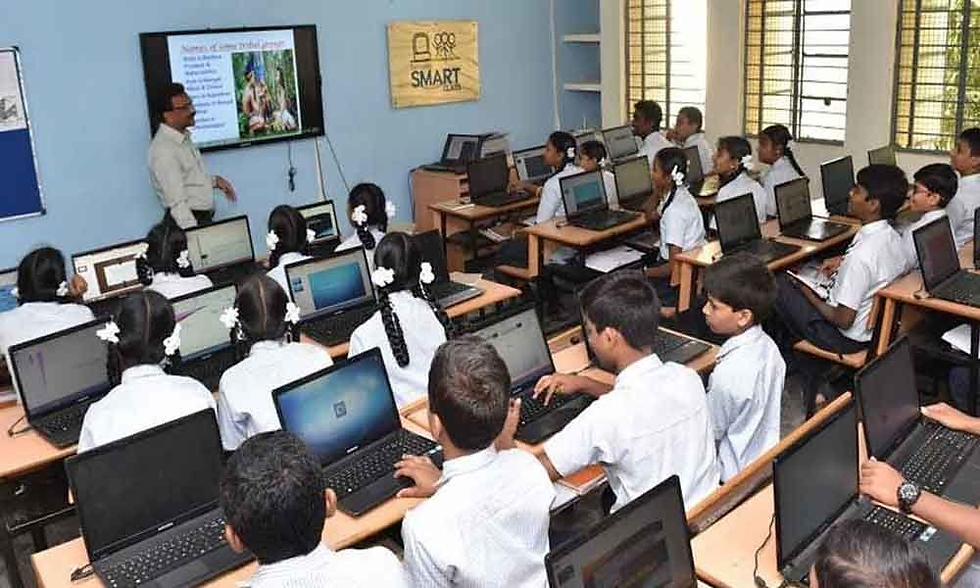
Investing in Thorough Teacher Training and Ongoing Support
The successful and sustained integration of mobile technology into instruction ultimately depends on fully prepared and confident teachers. Policymakers must make significant and long-term investments in high-quality professional development activities that equip teachers with the instructional expertise and technical ability they require to effectively employ mobile devices to benefit their classrooms, particularly in the unique context of CTE. Such professional development needs to transcend early device usage into successful practices of m-learning, integration of digital materials in teaching, and design of interactive, engaging mobile-based activities. Besides, frequent technical support, access to relevant digital materials, and teacher time to collaborate, exchange best practices, and be mentored are needed to build a culture of continuous improvement and to ensure maximum impact of technology on student learning.
Data Privacy, Security, and Digital Citizenship:
With increasingly mobile technology integration into learning, robust data privacy and security measures are needed. Schools need to have well-defined policies and proper measures for data protection of students and responsible use of online resources. This would involve educating students, teachers, and parents on digital citizenship, online safety practices, and appropriate technology uses. Training should cover topics such as how to prevent cyberbullying, how to use social media safely, evaluation of online material, and awareness of the right to data privacy. Implementing proper security measures for devices and networks that belong to the school is equally important in order to ensure a safe and reliable digital learning experience.
Continuous Monitoring and Adjustment of Mobile Learning Programs:
The landscape of mobile technology and educational best practices keeps evolving. Therefore, schools must establish mechanisms for continuous evaluation and adjustment of their mobile learning programs. This involves continuously monitoring the impact of technology integration on student motivation, learning outcomes, and well-being through data collection and student, teacher, and parent feedback. The outcomes of such evaluation should inform sustained transformation in policy, pedagogy, and infrastructure investment. Embracing a culture of continuous improvement signifies that mobile technology is used in an efficient and effective way that maximises the educational purpose of the school community and enables students to prepare for a constantly changing technological world.
Conclusion
The incorporation of mobile technology into the educational setting, particularly within Career and Technical Education, is of high potential yet presents challenges.
Research has indicated that although mobiles may be great platforms for engagement increase and access to new learning experiences, their adoption must be well planned in collaboration with possible psychological effects like increased anxiety upon their removal. Moreover, the long-held value of CTE and school-to-work learning highlights the necessity for strategic technology utilisation in the purpose of getting students prepared for education and career possibilities in the future. Through reflective policy, teacher professional development, and pedagogically sound integration practices as a priority, teachers and policymakers can leverage the power of mobile technology to facilitate more engaged, relevant, and productive learning experiences for every student.
By Shourya Singh Shourya Singh is a first-year BA LLB Hons student at National Law University Jodhpur.
References
Burden, K., Kearney, M., Schuck, S. and Hall, T., 2019. Investigating the use of innovative mobile pedagogies for school-aged students: A systematic literature review. Computers & Education, 138, pp.83-100.
Gajdics, J. and Jagodics, B., 2022. Mobile phones in schools: With or without you? Comparison of students' anxiety level and class engagement after regular and mobile-free school days. Technology, Knowledge and Learning, 27(4), pp.1095-1113.
Ott, T., 2017. Mobile phones in school: From disturbing objects to infrastructure for learning.
Stone III, J. and Aliaga, O., 2005. Career & technical education and school-to-work at the end of the 20th century: Participation and outcomes. Career and Technical Education Research, 30(2), pp.125-144.


Comments